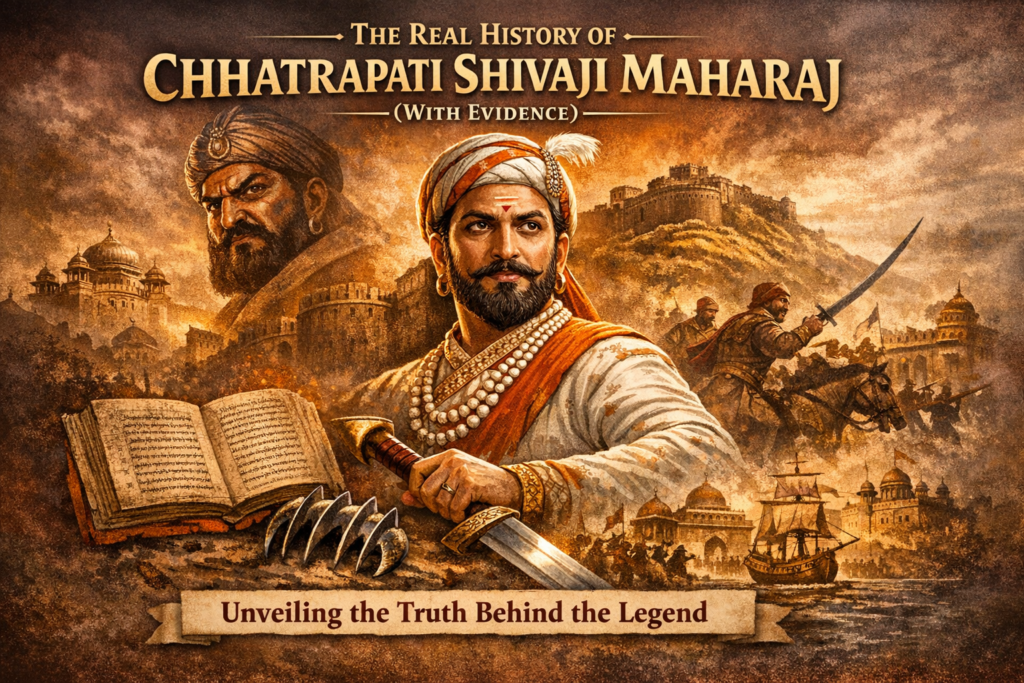
📝 The Real History of Chhatrapati Shivaji Maharaj (With Evidence)
History is not always what it seems…
What if the story you learned about Chhatrapati Shivaji Maharaj is only half the truth?Behind the heroic image lies a strategic mind, a revolutionary vision, and a reality that many textbooks fail to explain.
This is not just another story…
This is the real, evidence-based history of Shivaji Maharaj.
👶 Early Life: A Birth in Turbulent Times :
6
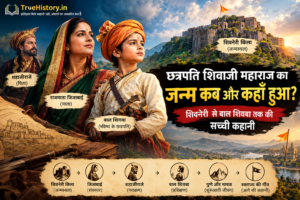
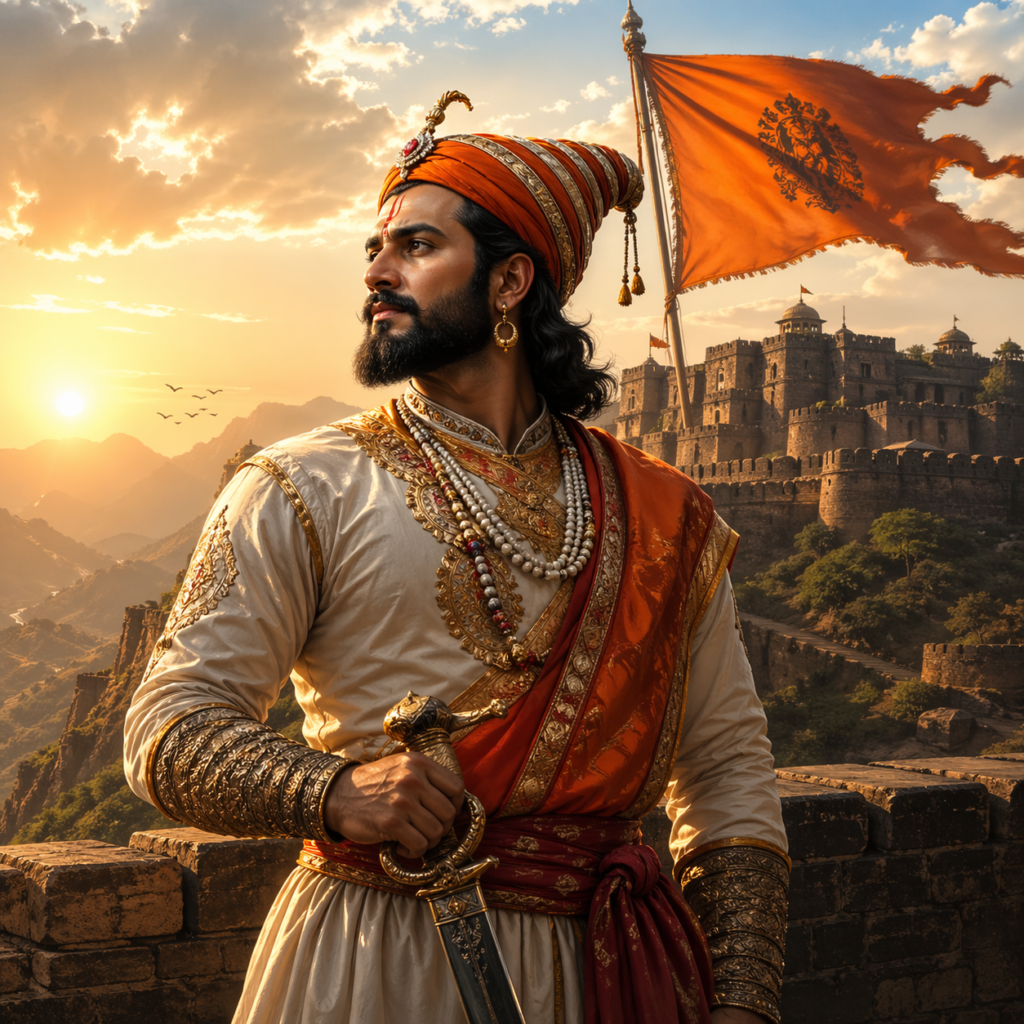
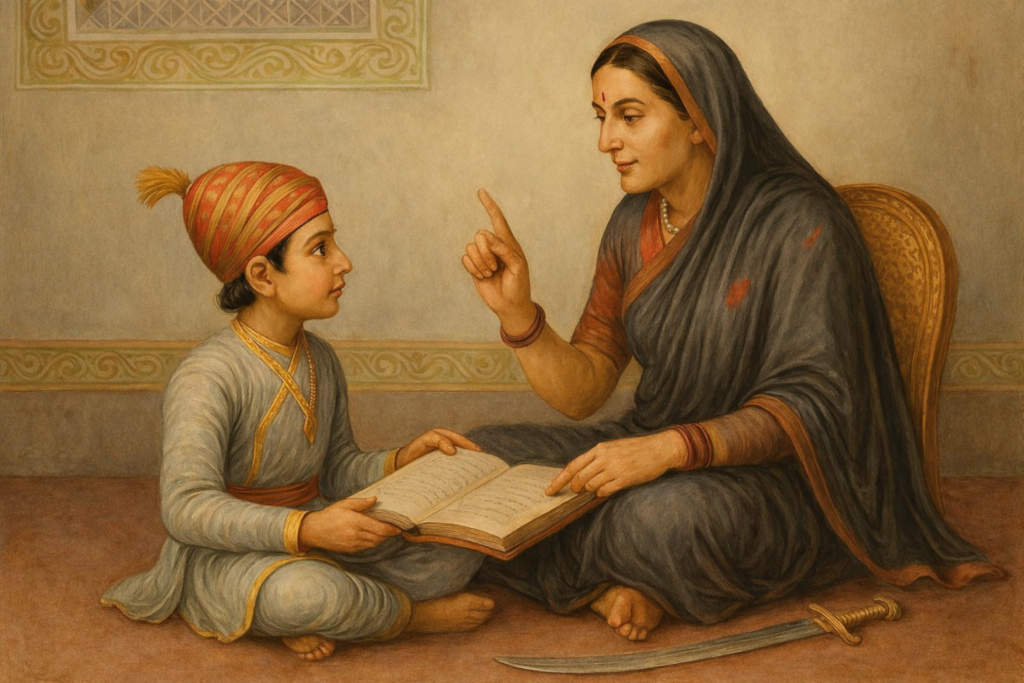
Shivaji Maharaj was born in 1630 at the hill fort of Shivneri, in present-day Maharashtra, India. His mother, Jijabai, played a crucial role in shaping his character, instilling values of courage, justice, and devotion.
At that time, large parts of India were under powerful empires like the Mughals and the Deccan Sultanates. Political instability and heavy taxation made life difficult for common people.
👉 This environment shaped a young mind that would later challenge empires.
⚔️ The Vision of Swarajya (Self-Rule) :
6
Unlike many rulers of his time, Shivaji Maharaj did not fight merely for power.
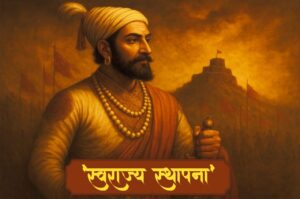
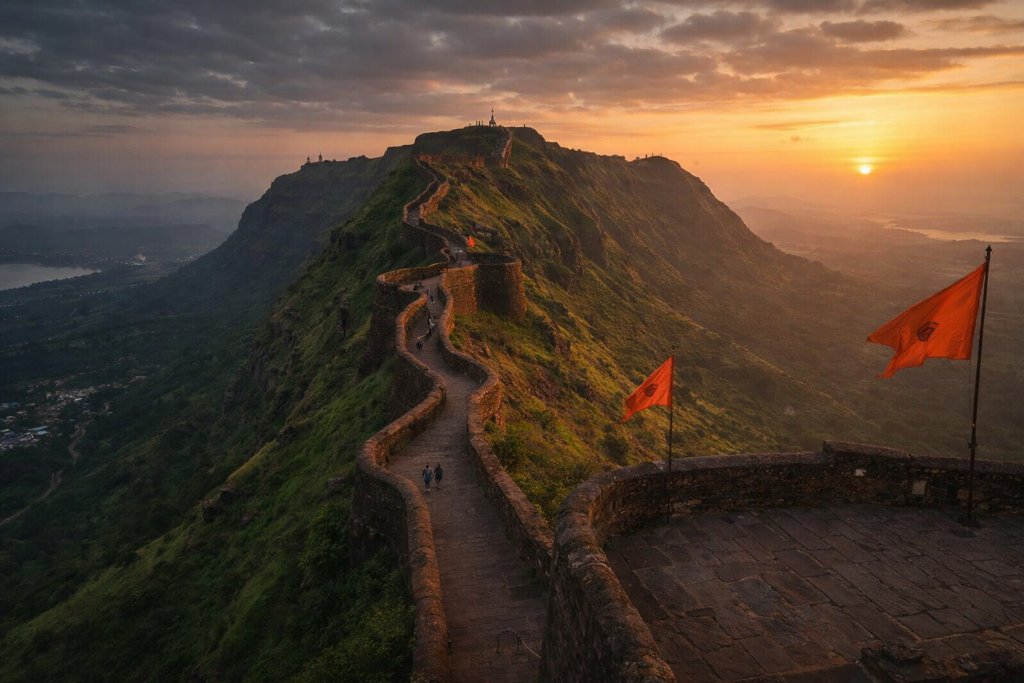
His goal was Swarajya — self-rule, where people could live with dignity and justice.
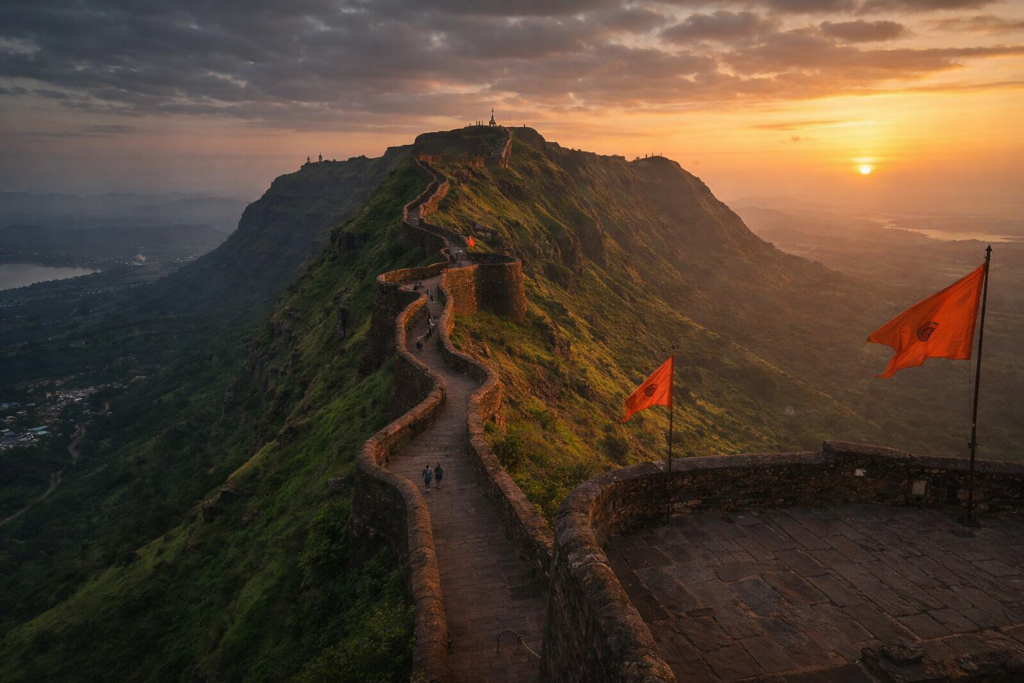
He started with small forts like Torna and gradually built a network of strongholds across the Western Ghats.
👉 His strategy was not brute force…
👉 It was intelligence, speed, and deep knowledge of terrain
🧠 Master of Strategy: Guerrilla Warfare :
7
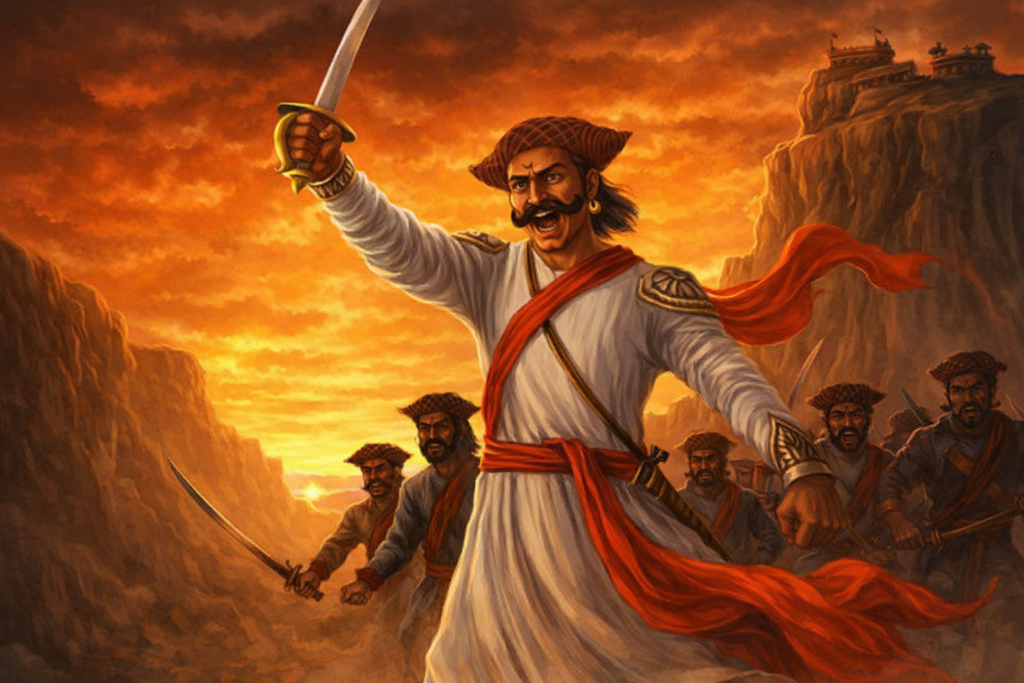
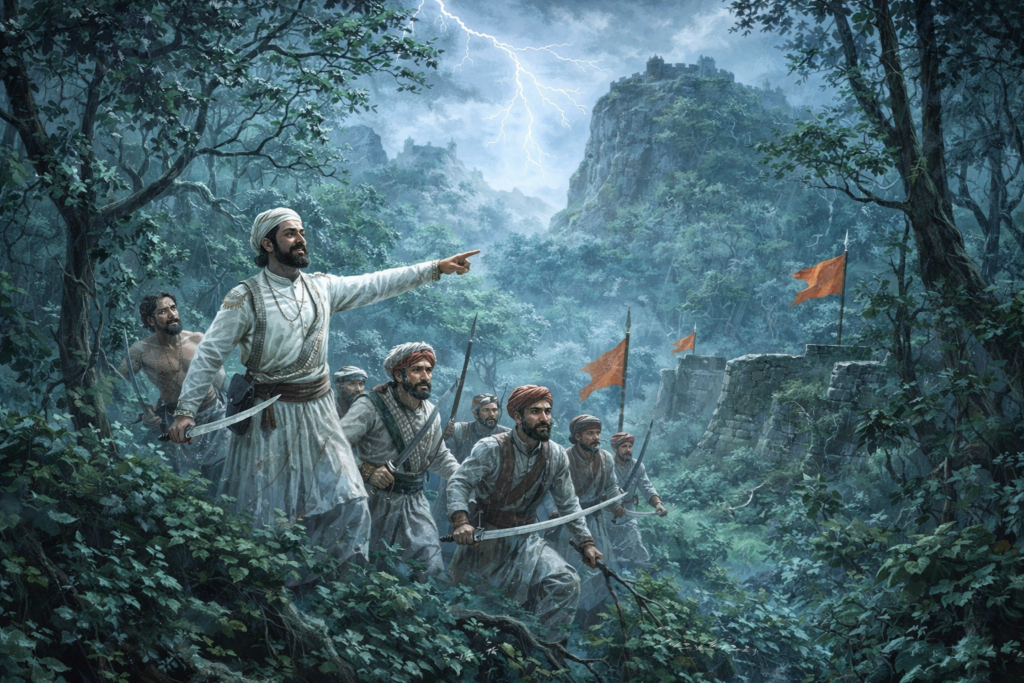
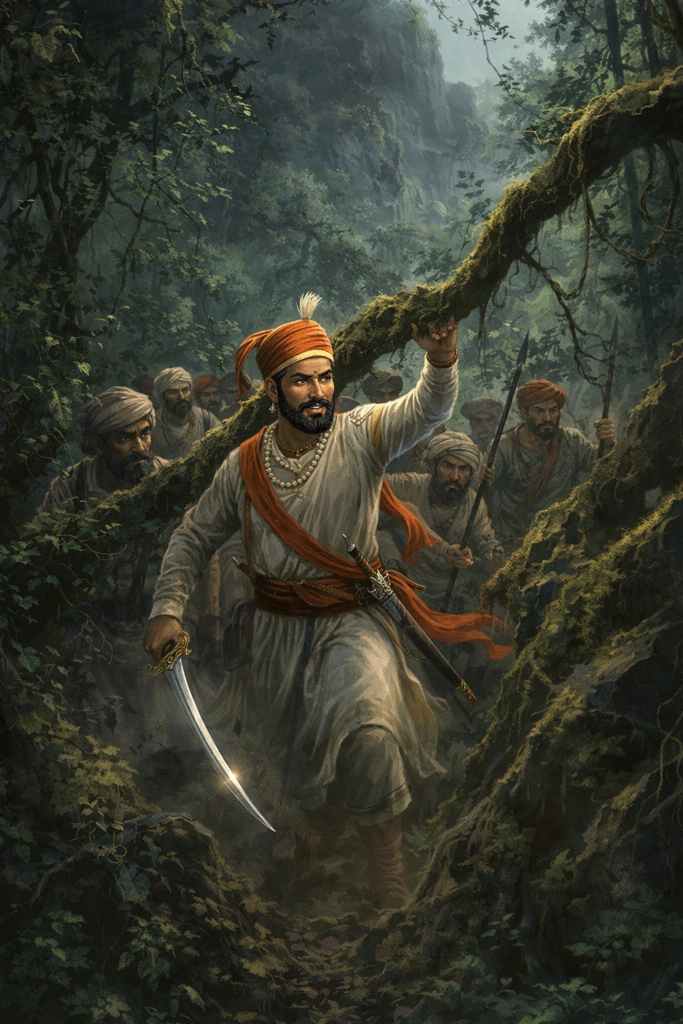
Shivaji Maharaj is widely recognized for perfecting guerrilla warfare tactics.
Instead of direct large-scale battles, he used:
- Surprise attacks
- Night raids
- Strategic retreats
This allowed a relatively smaller army to defeat much larger forces.
👉 Modern military experts still study these tactics today.
⚔️ The Encounter with Afzal Khan :

5
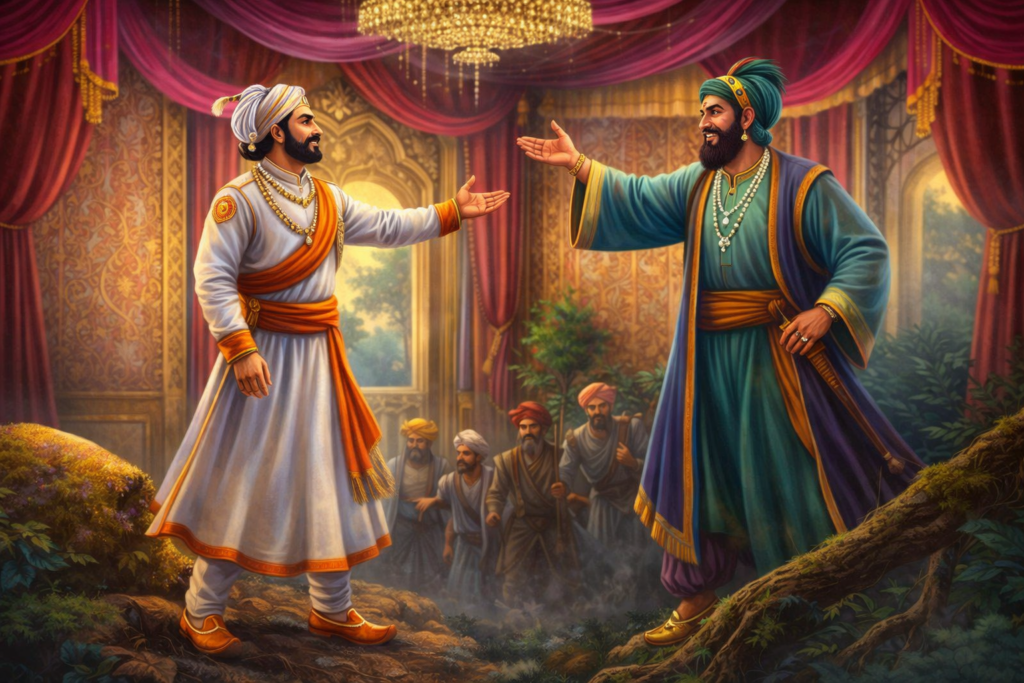
One of the most dramatic events in Shivaji’s life was his meeting with Afzal Khan, a powerful general of the Bijapur Sultanate.
The meeting was meant to be peaceful…
But both leaders came prepared for betrayal.
👉 Shivaji Maharaj used a concealed weapon called Wagh Nakh (tiger claws) to defend himself.
This incident became a symbol of:
- Strategic foresight
- Personal courage
- Political intelligence
🏛️ Administration & Governance :
4
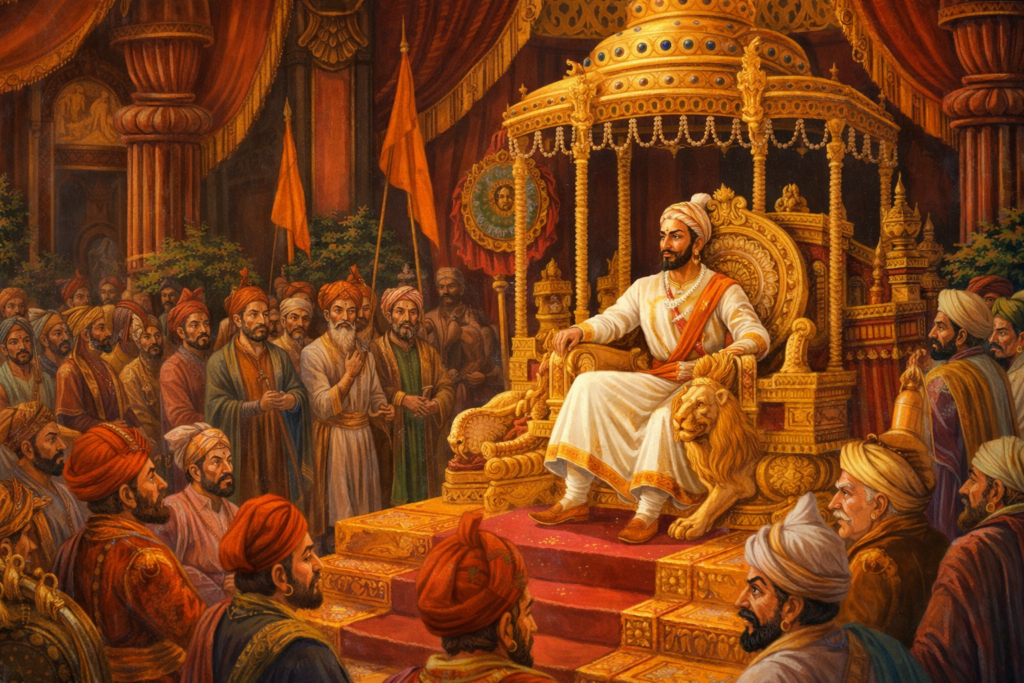
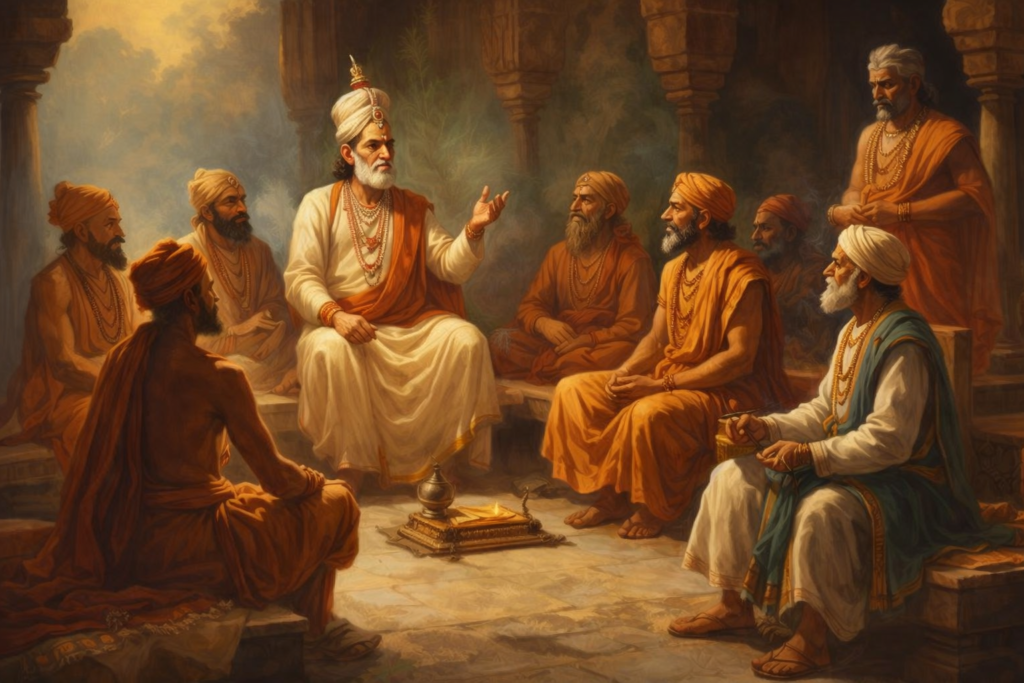
Shivaji Maharaj was not just a warrior — he was a capable administrator.
He introduced:
- A structured council called Ashta Pradhan
- Efficient revenue system
- Protection of farmers and local economy
👉 His governance model focused on justice, discipline, and welfare.
🧾 Historical Evidence & References (Real Proof) :
To understand the real history, historians rely on multiple sources:
- Sabhasad Bakhar (1697) – One of the earliest Marathi chronicles describing Shivaji’s life
- Chitnis Bakhar – Another historical narrative with detailed accounts
- Writings of historian Jadunath Sarkar
- Persian records from Mughal administration
- European traveler accounts (Dutch, British records)
👉 These sources collectively help reconstruct a more accurate picture beyond myths and exaggerations.
🌍 Why This Story Matters Today :
Shivaji Maharaj’s history is not just about battles.
It is about:
- Leadership under pressure
- Vision against powerful odds
- Building a system for people, not just power
👉 That is why his story continues to inspire globally.
📢 Conclusion (Strong CTA)
The truth of history is often hidden beneath layers of storytelling…
But when we look at real evidence, a clearer picture emerges.
👉 For more real history with proof and hidden truths, visit:
truehistory.in